Understanding Containerized Wastewater Treatment Systems
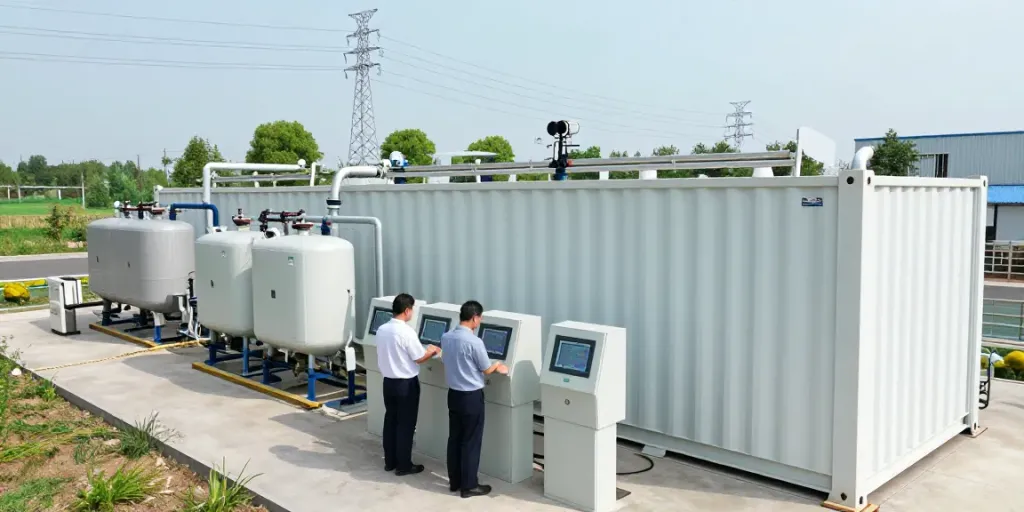
In today's rapidly evolving industrial landscape, the demand for effective and efficient wastewater management solutions has never been more critical. Containerized wastewater treatment systems offer innovative responses to this challenge, delivering streamlined, pre-engineered solutions that cater to a wide spectrum of wastewater treatment needs—from domestic sewage to complex industrial effluent. These modular units are designed for quick deployment, operational flexibility, and strict compliance with environmental standards while maintaining a compact, transportable footprint. When exploring options, Wastewater Treatment System Manufacturers play a pivotal role in providing these integrated solutions.
What are Wastewater Treatment Systems?
Wastewater treatment systems are engineered facilities that process and purify polluted water to make it safe for discharge or reuse. They vary significantly in size and complexity, from small residential systems to large municipal plants. At their core, these systems aim to remove contaminants to safeguard public health and protect the environment. The integration of advanced technologies and modular designs in containerized systems has transformed traditional wastewater treatment approaches, facilitating faster, more efficient, and compliant operations.
Key Components of Containerized Solutions
The essential components of containerized wastewater treatment systems include:
- Mechanical screens: Filter out large debris to protect downstream equipment.
- Bioreactors: Facilitate biological treatment processes, often employing aerobic or anaerobic methods.
- Clarifiers: Allow for sedimentation, separating solids from liquids.
- Disinfection units: Employ methods such as UV treatment or chlorination to eliminate pathogens.
- Pumping systems: Ensure effective conveyance of wastewater through various treatment stages.
Benefits of Modular Systems
Modular systems like containerized wastewater treatment plants boast numerous advantages, including:
- Rapid deployment: Pre-assembled in shipping containers, these systems can be quickly transported and set up, often requiring just a flatbed truck and a crane.
- Space Efficiency: Their compact design enables placement in limited spaces, making them ideal for urban developments or remote locations.
- Scalability: Containerized systems can be easily expanded or modified to accommodate changing needs or increased wastewater flows.
- Cost-effectiveness: Reduced construction time and labor costs compared to traditional treatment facilities translate into lower overall project expenses.
Market Trends Among Wastewater Treatment System Manufacturers
Growth of Containerized Solutions in 2026
As industries strive for sustainability and efficiency, the market for containerized wastewater treatment solutions is projected to grow significantly through 2026. Factors driving this growth include stringent environmental regulations and increasing awareness of water scarcity issues worldwide. Manufacturers are continuously innovating, offering systems that not only meet regulatory requirements but also improve resource recovery processes and enhance overall operational performance.
Technological Advancements Driving the Industry
Technological progress in wastewater treatment encompasses various advancements that enhance the efficiency of containerized systems. Key innovations include:
- Smart monitoring systems: IoT-enabled sensors allow for real-time monitoring, improving operational oversight and maintenance scheduling.
- Advanced treatment technologies: Innovations such as membrane bioreactors (MBRs) and zero-liquid discharge (ZLD) systems are becoming more prevalent, offering higher quality effluent and reduced environmental impact.
- Energy recovery systems: These technologies allow facilities to recycle energy from treatment processes, contributing to lower overall operating costs.
Regional Variations in Demand and Supply
The demand for containerized wastewater treatment systems exhibits regional variations influenced by local regulations, industrial growth, and urbanization rates. Emerging economies are increasingly investing in these compact solutions to address rapid urbanization challenges, while developed regions focus on upgrading aging infrastructures and enhancing compliance with stricter environmental laws.
Challenges Faced by Manufacturers
Regulatory Compliance and Environmental Standards
Navigating the complex landscape of environmental regulations presents significant challenges for wastewater treatment system manufacturers. Compliance with local, national, and international standards requires ongoing adaptation and innovation in treatment technologies. Manufacturers must ensure their systems not only meet current regulations but are also adaptable to future changes, promoting sustainable practices.
Operational Efficiency vs. Cost
Balancing operational efficiency with cost-effectiveness poses a challenge for manufacturers. While advanced technologies can significantly enhance treatment effectiveness, they may also increase initial capital investment. Manufacturers need to demonstrate the long-term value of their systems, including lower operational costs and reduced environmental impact, to justify these investments to customers.
Common Misconceptions about Wastewater Treatment Systems
Several misconceptions persist about wastewater treatment systems, including:
- All systems are the same: In reality, systems vary widely in design, capabilities, and suitability for different applications.
- Containerized systems are less effective: Many assume that smaller, modular systems cannot match the performance of traditional plants, yet advancements in technology have proven otherwise.
- Wastewater treatment is only necessary for large industries: With increasing environmental consciousness, even small-scale operations are recognizing the benefits of effective wastewater solutions.
Best Practices for Selecting a Wastewater Treatment System Manufacturer
Evaluating Manufacturer Credentials
When selecting a wastewater treatment system manufacturer, it is crucial to evaluate their credentials, including certifications, industry experience, and customer feedback. A reputable manufacturer should demonstrate a strong track record of compliance with environmental standards and a commitment to sustainability.
Assessing Technological Capabilities
Understanding the technological capabilities of potential manufacturers is essential. Review their offerings for advanced treatment technologies, modular designs, and scalability options, ensuring they align with your specific wastewater treatment needs.
Understanding After-Sales Support and Maintenance
Strong after-sales support and maintenance services are vital for long-term operational success. Assess manufacturers based on their service-level agreements, response times, and the availability of spare parts to ensure the continued performance of your wastewater treatment system.
Future Outlook for Wastewater Treatment System Manufacturers
Emerging Technologies in Wastewater Treatment
The future of wastewater treatment is being shaped by several emerging technologies aimed at improving efficiency, reducing costs, and minimizing environmental impacts. Key trends to watch include:
- Artificial Intelligence: AI-driven analytics can optimize treatment processes by predicting system performance and maintenance needs.
- Biotechnologies: The use of natural processes and organisms to treat wastewater is gaining traction, promising more sustainable solutions.
- Digital Twins: These virtual replicas of physical systems can enhance monitoring and management, allowing for better performance optimization.
Predictions for Sustainable Practices Beyond 2026
Looking ahead, manufacturers are expected to increasingly embrace sustainable practices as regulatory pressures and public awareness of environmental issues continue to rise. This includes focusing on circular economy principles, resource recovery, and the reduction of carbon footprints throughout the treatment process.
Conclusions on Industry Impact
The impact of wastewater treatment system manufacturers on environmental sustainability cannot be overstated. By continually innovating and adapting to changing regulatory landscapes and consumer expectations, these manufacturers not only contribute to more efficient wastewater management but also play a key role in global sustainability efforts.
What are the top 10 largest wastewater treatment plants in the USA?
The largest wastewater treatment facilities in the U.S. include plants in cities like New York, Los Angeles, and Chicago. These facilities often process millions of gallons of wastewater daily, employing advanced technologies to ensure compliance with federal and state regulations.
Who are the largest water treatment companies?
Major players in the water treatment industry include Veolia, SUEZ, and Xylem, among others. These companies provide a wide range of solutions, from wastewater treatment systems to water purification technologies.
What are some popular brands of wastewater pumps?
Some of the most recognized brands in wastewater pumping include Grundfos, Flygt, and Lowe. These companies produce reliable pumps designed specifically for the challenges associated with moving wastewater.
What is the best sewage treatment system?
The best sewage treatment system depends on specific needs and local conditions. Factors such as the type of wastewater, treatment goals, and regulatory requirements play a significant role in determining the most effective solution.
How does technology improve wastewater treatment efficiency?
Advancements in technology improve wastewater treatment efficiency by automating monitoring processes, enhancing treatment methods, and facilitating real-time data analysis. These innovations lead to better resource management and reduced operational costs.